
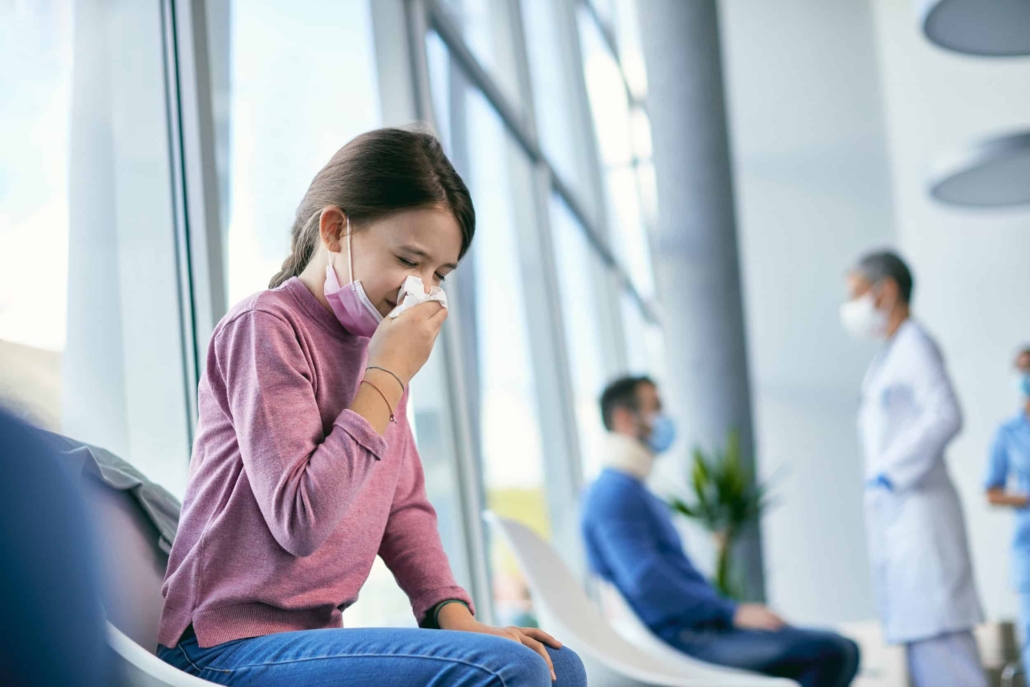
Spring Allergies and Medical Linens: Ensuring Patient Comfort
Spring in Western Massachusetts brings warmer weather, longer days, and a noticeable rise in seasonal allergies. For healthcare facilities, that shift affects more than just patient intake. Allergens increase in the air, on clothing, and inside buildings. Patients who already feel unwell become more sensitive to irritation, congestion, and discomfort. In these conditions, every detail of the care environment matters.
Medical linens play a quiet but important role during allergy season. Sheets, gowns, blankets, and towels come into direct contact with patients throughout the day. If those items are not cleaned and handled properly, they can contribute to discomfort instead of supporting recovery.
At Belmont Linen & Uniform Rental, we work with healthcare facilities across Western Massachusetts that understand how professional linen care supports patient comfort, especially during high-allergy months.
Why Allergy Season Changes the Care Environment
Spring allergens enter facilities in more ways than people realize. Pollen travels on clothing, shoes, and hair. Doors open more frequently. Windows may be adjusted as temperatures change. The EPA notes that biological contaminants like pollen can trigger allergic reactions for a significant portion of the population, and that these irritants can travel indoors through everyday activities.
Patients with respiratory sensitivities, asthma, or compromised immune systems often react more strongly during this time of year. Irritated skin, sneezing, congestion, and discomfort can increase stress and affect rest. While linens do not cause allergies, improperly cleaned or poorly managed textiles can hold irritants that make symptoms worse.
That makes linen quality and laundering practices especially important during spring.
The Difference Professional Laundering Makes
Not all linen cleaning methods are the same. Home laundering and small on-site machines cannot match the consistency of commercial textile processing. Variations in water temperature, detergent use, and load handling leave room for residue and uneven cleaning.
Professional laundering uses controlled wash processes designed to remove soil, oils, and common irritants effectively. Linens move through standardized cycles that focus on thorough cleaning and proper rinsing. This helps reduce the presence of particles that may aggravate sensitive patients.
For healthcare facilities, that consistency supports a cleaner, more comfortable environment without adding workload to internal teams.
Clean Linens Support Patient Rest and Recovery
Patients spend a significant amount of time in contact with linens. Sheets touch skin continuously. Gowns move with the body. Blankets rest close to the face and airways. During allergy season, any irritant in those materials becomes more noticeable.
Clean, professionally laundered linens help patients feel more at ease. They reduce odors, residue, and roughness that can irritate sensitive skin. When patients rest more comfortably, they experience less stress and better overall satisfaction with their care.
Comfort may seem like a small detail, but during allergy season, it becomes part of the healing environment.
Consistency Matters More Than Ever in Spring
Spring brings higher patient volumes to many facilities. Appointment schedules fill, and bed turnover increases. In busy periods, linen programs can fall behind if inventory levels or service schedules do not match demand.
A managed linen service keeps supply steady. Clean linens arrive on a predictable schedule. Worn items are removed from circulation. Facilities avoid stretching inventory or reusing items too quickly, which can compromise cleanliness and comfort.
Consistency protects standards at a time when pressure on staff is already high.
Why On-Site Linen Handling Can Create Challenges
Some facilities attempt to manage linens internally during peak seasons. That approach often creates unintended problems. Staff juggle laundry tasks alongside patient care. Machines run continuously. Linens may not receive adequate processing time between uses.
During allergy season, rushed laundering increases the risk of leftover residue or incomplete cleaning. Those gaps may not be visible, but patients can feel the difference.
Professional linen service removes this burden. It allows healthcare staff to focus on care while linens receive proper attention off-site.
How Belmont Supports Healthcare Facilities in Western Massachusetts
Our team supports healthcare facilities by managing linens as part of the overall care environment. We take responsibility for the full linen process so clinical staff can stay focused on patients instead of logistics.
Our healthcare linen service includes:
- Scheduled pickup and delivery that aligns with facility workflow
- Professional laundering using commercial processes suited for healthcare settings
- Inspection and removal of worn or damaged linens
- Consistent rotation of clean linens back into service
- Replacement support that helps maintain reliable inventory levels
Facilities across Western Massachusetts rely on us to keep linen programs steady through seasonal changes. As patient volumes increase or allergy conditions intensify, linen availability remains consistent. That dependability helps healthcare teams maintain comfort and cleanliness standards without adding pressure to daily operations.
By managing the details behind the scenes, our team helps create a calmer, more predictable environment for both staff and patients.
Prepare Your Linen Program for Allergy Season With Belmont
Our team at Belmont Linen & Uniform Rental works with healthcare facilities across Western Massachusetts to keep medical linen supply reliable during high-demand periods. We help ensure clean linens are available when patients need them most, without adding extra work for your staff.
Contact us to talk through your spring linen needs. We’ll help you maintain a consistent, professionally managed linen program that supports patient comfort throughout allergy season and beyond.